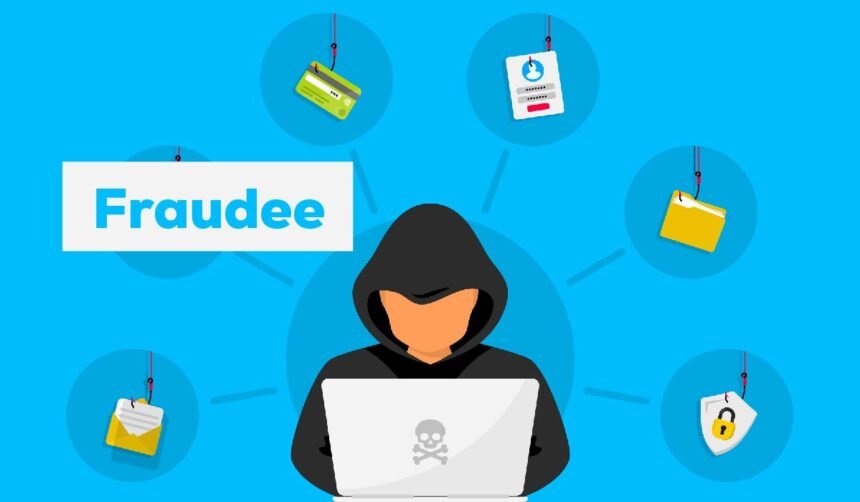
Every day, people lose money online. Some click on a fake banking link. Some trust a message that looks real. Others invest in something that promises quick profit but disappears overnight. By the time they understand what happened, their savings are gone. Millions of people around the world become victims of online scams every year.
This growing problem has made one word more important in digital conversations: Fraudee. A Fraudee is the person who gets cheated in a scam. As online payments, digital banking, crypto investing, and social media continue to grow, more people are searching for the meaning of Fraudee and how to avoid becoming one.
In this detailed guide, you will learn what a Fraudee is, how scams work, why fraud is rising in 2026, warning signs to watch for, legal rights, protection methods, and what to do if you are targeted. This article is written to help you stay informed, alert, and safe in today’s fast-changing digital world.
What Is a Fraudee?
A Fraudee is a person, business, or organization that becomes the victim of fraud. In very simple words, it is someone who gets tricked by a fraudster and suffers a loss. That loss can be money, personal data, identity details, or even reputation. The word focuses on the victim side of fraud.
Fraud itself is a crime. The fraudster is the criminal. The Fraudee is the person who gets harmed. In online scams, the Fraudee may click a fake link, send money to a fake seller, share login details, or trust a fake investment offer. The word is becoming popular because it highlights the growing number of victims in the digital age.
Legal Meaning of Fraudee
In legal and financial terms, a Fraudee is the injured party in a fraudulent act. This means the person who experienced financial damage due to deception. In many legal systems, the Fraudee has the right to report the fraud, request an investigation, and sometimes seek compensation.
Some people use the word “victim” instead of ” fraudee. ” In most cases, both words mean the same thing. However, Fraudee is more specific because it directly connects to fraud-related crimes. The term helps separate general crime victims from those harmed by financial or digital deception.
Fraudee vs Fraudster
Understanding the difference between the fraudee and the fraudster is very important.
| Fraudster | Fraudee |
|---|---|
| Commits the fraud | Suffers from fraud |
| Creates fake offers | Trusts the fake offer |
| Steals money or data | Loses money or data |
| Uses deception | Faces the damage |
For example, if someone creates a fake online store and steals payment information, that person is the fraudster. The customer who paid and never received the product is the Fraudee. This simple difference helps people clearly understand their role in a scam situation.
Why Is “Fraudee” Becoming Popular in 2026?
The word Fraudee is becoming more popular because online fraud is rising rapidly. In 2026, digital payments, mobile banking, and crypto transactions are more common than ever. With convenience comes risk. Phishing scams have increased. Crypto investment traps are growing. Identity theft cases are expanding.
AI-generated emails now look very real. Deepfake videos and voice cloning make scams harder to detect. Social media platforms are full of fake giveaways and impersonation scams. As more people experience financial fraud, they search for terms like ” fraudee ” to understand their situation. The rise of technology has made fraud smarter, faster, and more global, which is why awareness is becoming critical.
Types of Fraud That Create Fraudees
Online Shopping Fraud
Online shopping fraud happens when fake websites offer products at very low prices. People place orders but never receive anything. It works by creating a professional-looking website with stolen product images. People fall for it because of discounts and urgency messages. For example, a phone listed at half price may attract many buyers. Prevention tip: Always check reviews, verify website security, and avoid deals that seem too good to be true.
Phishing Emails
Phishing emails pretend to be from banks or companies. They ask users to click links and enter login details. People fall for it because the email looks official and urgent. For example, a message saying “Your account will be blocked” creates panic. Prevention tip: Never click unknown links and always log in through official websites.
Banking Fraud
Banking fraud includes stolen card details or unauthorized transfers. It works by hacking databases or tricking users into sharing information. People fall for it due to trust in official-looking calls. Prevention tip: Enable multi-factor authentication and monitor bank statements regularly.
Investment & Crypto Scams
These scams promise high returns with low risk. They work by showing fake profits at first. People fall for it because of greed and social proof. For example, fake testimonials convince victims. Prevention tip: Research platforms carefully and avoid guaranteed profit promises.
Identity Theft
Identity theft happens when personal information is stolen and used illegally. It works through data breaches or phishing. People fall for it unknowingly when sharing too much online. Prevention tip: Protect sensitive information and use strong passwords.
SIM Swap Fraud
In SIM swap fraud, criminals transfer your phone number to their device. They bypass SMS security codes. People fall for it when sharing personal details publicly. Prevention tip: Set a SIM lock with your mobile provider.
Deepfake Voice & Video Fraud
Scammers use AI to copy voices or create fake videos. It works by cloning public audio samples. People fall for it because it sounds real. Prevention tip: Always verify money requests through another communication channel.
Business Email Compromise (BEC)
This targets companies. Fraudsters send fake invoices from impersonated executives. Employees transfer funds thinking it is real. Prevention tip: Confirm large payments verbally.
How Someone Becomes a Fraudee (Step-by-Step)
Fraud usually follows a pattern. First comes trust building. The fraudster acts friendly or official. Then emotional manipulation happens. Fear or excitement is triggered. Next, urgency is created so the person acts quickly. After that, sensitive information is requested. Finally, financial exploitation occurs. This step-by-step process shows that scams are not random. They are planned and psychological.
Psychology Behind Becoming a Fraudee
Scams work because they target emotions. Fear tactics make people panic. Greed tactics promise easy money. Authority impersonation creates trust. Scarcity tactics create urgency. Emotional bonding scams build relationships over weeks. Loneliness exploitation targets vulnerable individuals. Crisis exploitation uses natural disasters or emergencies. Fraudsters understand human behavior deeply. This is why even smart people can become a Fraud.
Warning Signs You May Become a Fraudee
Watch for these red flags:
- Suspicious links in messages
- Urgent payment requests
- Unknown login alerts
- Requests for gift cards
- Crypto-only payment demands
- Fake customer support calls
If something feels wrong, pause and verify. Trust your instincts.
What Happens After Someone Becomes a Fraudee?
Financial impact is often immediate. Savings may disappear. Emotional impact includes stress and shame. Legal complications may follow if identity is misused. Credit scores may drop due to unauthorized loans. For businesses, reputation damage can occur. Becoming a Fraud affects more than money. It affects trust and peace of mind.
Fraudee in Businesses and Organizations
Businesses also become Fraudees. Chargeback fraud happens when customers falsely claim refunds. Invoice fraud tricks companies into paying fake suppliers. Payroll diversion scams redirect salaries. Corporate deepfake fraud imitates executives. Protection strategies include internal verification systems, multi-layer approval processes, and employee training programs.
AI and the Modern Fraudee
AI has changed fraud completely. AI-powered scams generate realistic emails. Deepfake fraud creates fake videos. Automated phishing bots send thousands of messages. Voice cloning fraud mimics family members. Technology makes scams harder to detect. At the same time, AI is also used for fraud detection by banks.
Legal Rights of a Fraudee
A Fraudee has the right to report fraud to financial institutions and authorities. Many banks allow dispute claims for unauthorized transactions. Cybercrime units investigate digital fraud. Legal recovery options may include insurance claims. Identity restoration services help repair credit damage. Quick reporting improves chances of recovery.
How to Protect Yourself from Becoming a Fraud
Use strong passwords with letters, numbers, and symbols. Enable multi-factor authentication. Use password managers. Keep devices updated with security patches. Avoid public Wi-Fi for financial transactions. Monitor credit reports regularly. Share minimal personal data online. Prevention starts with awareness.
What To Do Immediately If You Become a Fraudee
Contact your bank immediately. Freeze cards and accounts. Change all passwords. Report to local cybercrime authorities. Inform contacts to avoid further spread. Check credit reports for suspicious activity. Preserve emails and messages as evidence. Fast action reduces damage.
Fraudee vs Identity Theft Victim
A Fraudee may lose money directly through scams. An identity theft victim specifically suffers misuse of personal information. Sometimes both overlap. Not every Fraudee experiences identity theft, but many identity theft victims are also Fraudees. The key difference lies in how the damage occurs.
Future of Fraud and Fraudee in 2026–2030
Future fraud trends include biometric security systems, blockchain identity protection, AI fraud detection tools, zero-trust security models, behavioral biometrics, and synthetic identity fraud growth. Technology will continue evolving. Awareness must evolve too.
Conclusion
The word Fraudee represents real people facing real losses. In today’s digital world, anyone can become a Fraudee if they are not careful. Online fraud is growing, but protection is possible. By understanding how scams work, recognizing warning signs, and using strong security habits, you can protect yourself and your business. Stay alert. Stay informed. Stay cautious. Awareness is your strongest defense against becoming the next Fraudee.
(FAQs)
What does Fraudee mean in simple words?
A Fraudee is a person or business that becomes the victim of fraud. In simple terms, if someone tricks you and takes your money, personal data, or account access, you are the Fraude. The fraudster is the criminal who commits the scam, and the Fraud is the one who suffers the loss. This word is commonly used in online fraud discussions to clearly describe the victim of a scam.
What is the difference between a Fraudee and a fraudster?
The difference is very clear. A fraudster is the person who plans and carries out the scam. A fraud is the person who gets cheated. For example, if someone creates a fake website and steals payment information, that person is the fraudster. The customer who paid money and did not receive the product is the Fraude. One commits the fraud, and the other suffers from it.
How does someone become a Fraudee?
A person becomes a Fraudee when they trust a fake offer, click a malicious link, share sensitive information, or send money to a scammer. Fraud usually follows a pattern. First, the scammer builds trust. Then they create urgency or fear. Finally, they convince the person to take quick action. Once money or personal data is shared, the person becomes the Fraudster. Awareness and careful verification can prevent this.
What are the most common scams that create Fraudees?
The most common scams include phishing emails, fake online shopping websites, banking fraud, crypto investment scams, identity theft, SIM swap fraud, and deepfake impersonation scams. These scams often look real and create urgency. Many people become Fraudees because the fraudster uses emotional pressure or attractive offers to gain trust.
What should I do if I become a Fraudee?
If you become a Fraudee, act quickly. First, contact your bank and block your card or account. Then change all your passwords immediately. Report the fraud to local cybercrime authorities. Inform your contacts if your account was hacked. Also, check your credit report for suspicious activity. Fast action increases your chances of reducing financial damage and protecting your identity.
For More Information Visit Timelymagazine