Key Takeaways
- Organisations looking to sell raffle tickets online should start with a clear fundraising goal, suitable prizes and a realistic campaign period.
- Digital sales links and QR codes can help clubs and community groups reach supporters through both online and offline promotion.
- Ticket prices should reflect the audience, fundraising target and value of the prize package.
- Regular updates through social media, email and community networks can maintain interest throughout the campaign.
- Anyone planning to organize online raffle activity should understand the legal requirements that apply in their jurisdiction.
- Clear sales records and a transparent draw process help organisers maintain trust with participants.
Why Loteraise Works for Community Fundraising
Community fundraising often involves several people working towards the same target. Sports clubs may have individual teams selling tickets, while charities and associations might rely on volunteers, members and supporters to spread the word.
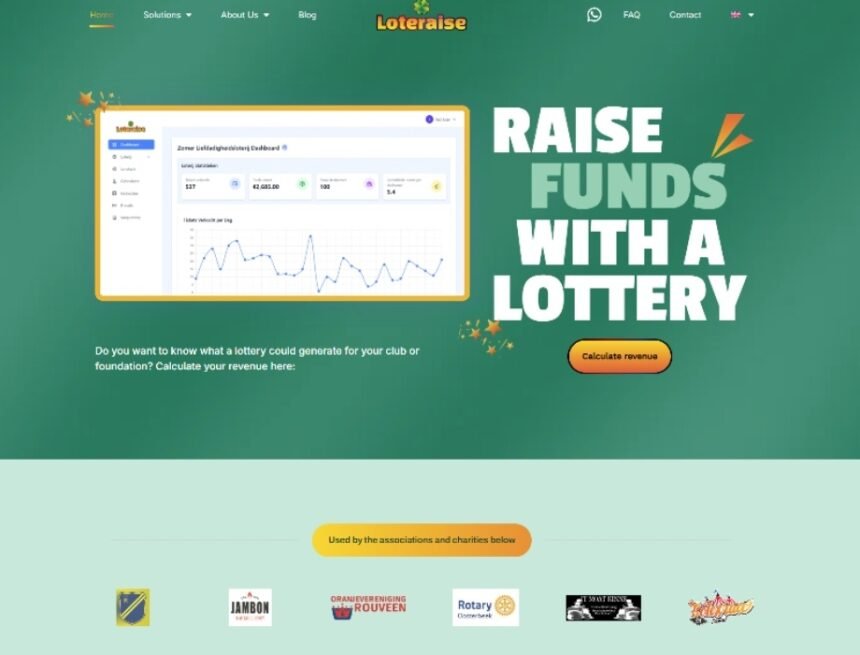
Loteraise provides a digital platform where organisers can set ticket prices, create prize packages and follow sales activity. Sellers can also use personal sales links or QR codes, which makes it easier to involve a wider fundraising team without relying entirely on printed ticket books.
Real-time information can be particularly useful during a campaign. Organisers can see how ticket sales are developing and identify whether additional promotion is needed before the closing date.
Set Ticket Prices and Prizes With Your Audience in Mind
A good prize should appeal to the people most likely to support the fundraiser. It does not necessarily need to be expensive. Local experiences, restaurant vouchers, event tickets or products donated by nearby businesses can all work well for community campaigns.
Ticket pricing deserves similar thought. Setting the price too high can discourage casual participation, while going too low may make the fundraising target difficult to reach.
Organisers should consider the size of their audience, the value of the prizes and how many tickets they realistically expect to sell. Keeping the offer straightforward also makes it easier for supporters to decide whether they want to take part.
Make Tickets Easy to Find and Buy
Promotion becomes much easier when supporters have a direct route to the campaign. Organisations that sell raffle tickets online can distribute sales links through email, social channels, messaging groups and their own websites.
QR codes create another useful connection between physical and digital promotion. They can be included on posters, flyers, programmes or displays at community events, allowing someone to reach the ticket page with a quick scan.
This is particularly practical for sports clubs, schools and local associations that already have regular face-to-face contact with their communities.
Keep Supporters Interested Throughout the Campaign
Avoid putting all your promotional effort into launch day. Fundraising campaigns usually benefit from several well-timed reminders.
Begin by explaining the purpose of the fundraiser. If a football club needs new equipment or a community organisation is raising money for a local project, tell supporters what their contribution will help achieve.
Later updates can focus on particular prizes, fundraising progress or the approaching closing date. For a sweepstakes campaign, equally clear communication around participation, prizes and deadlines helps potential entrants understand the offer.
Local businesses can also contribute more than prizes. A sponsor may be willing to share the campaign with its customers or followers, introducing the fundraiser to people outside the organisation’s existing network.
Monitor Sales and Respond to Progress
One advantage of a digital campaign is that organisers do not have to wait until the end to understand how ticket sales are performing.
If sales slow down halfway through the campaign, there is still time to increase promotion. Likewise, seeing which sellers or teams are performing well may reveal useful approaches that can be shared with the rest of the group.
Accurate records also make it easier to review the fundraiser afterwards. Organisers can compare the amount raised with the original target and use what they learn when planning future events.
Check the Rules Before Running the Draw
Legal requirements for lotteries and raffles vary between jurisdictions, so organisers should establish what applies before accepting paid entries.
Those researching how to organize online raffle campaigns can use digital tools to manage areas such as campaign dates, ticket sales and the draw, but the organiser remains responsible for understanding the rules relevant to their location.
For organisations operating in the UK, this means checking the appropriate requirements for lotteries, raffles and prize promotions before launch. Licensing requirements can depend on how the fundraiser is structured and where tickets are sold.
Keep the Final Draw Transparent
Supporters should know when the campaign closes, when the draw will take place and how winners will be notified. These details should be communicated before ticket sales end rather than introduced afterwards.
A clear process is equally valuable whether an organisation is running a charity raffle, club fundraiser or sweepstakes campaign. Good communication helps participants understand what to expect and gives organisers a reliable framework to follow.
Conclusion
Community raffles work best when planning, promotion and administration are handled together. Start with a realistic target, choose prizes your audience will value and make participation straightforward.
Digital tools can reduce much of the manual work involved in managing ticket sales, while regular promotion keeps the fundraiser visible. Combined with accurate records and a clearly explained draw process, this gives clubs, charities and community organisations a practical foundation for running a well-organised fundraising campaign.