Plastic is a huge part of our daily lives, from food packaging to bottles, containers, and beyond. Yet, despite its ubiquity, misconceptions about plastic recycling abound. Many people think that recycling is simple, or that all plastics can be tossed into the bin and magically repurposed. The reality is far more nuanced, and understanding how recycling really works in Australia can make a significant impact on the environment.
In this guide, we’ll debunk the most common myths about plastic recycling, explain the correct practices, and provide a roadmap for ensuring your efforts actually make a difference. For those looking for additional help, professional waste collection services and detailed guides like our Plastic Recycling Ultimate Guide can give step-by-step support.
Myth 1: All Plastic Can Be Recycled
One of the biggest misconceptions is that every plastic item is recyclable. In reality, only certain types of plastic are accepted by kerbside recycling programs in Australia. Look for the Resin Identification Codes on items:
- #1 PET (Polyethylene Terephthalate): Water bottles, soft drink containers ✅ Widely recyclable.
- #2 HDPE (High-Density Polyethylene): Milk bottles, shampoo containers ✅ Widely recyclable.
- #3 PVC (Polyvinyl Chloride): Pipes, some packaging ❌ Not kerbside recyclable.
- #4 LDPE (Low-Density Polyethylene): Soft plastics, cling wrap ♻️ Recycled separately.
- #5 PP (Polypropylene): Yogurt tubs, bottle caps ✅ Increasingly recyclable.
- #6 PS (Polystyrene): Foam cups, trays ❌ Difficult to recycle.
- #7 Other: Mixed materials ❌ Usually not recyclable.
Understanding which plastics are recyclable prevents contamination of bins and ensures materials are properly processed.
Myth 2: Soft Plastics Can Go in the Kerbside Bin
Soft plastics like bread bags, snack wrappers, frozen food packets, and plastic shopping bags cannot go in standard recycling bins. They can jam machinery at recycling facilities and contaminate other recyclables. Instead:
- Collect soft plastics separately.
- Use designated supermarket drop-off points or local soft plastics programs.
- Check “soft plastics recycling near me” to find new initiatives in your area.
These small actions prevent recyclable materials from ending up in landfills.
Myth 3: Rinsing Isn’t Necessary
Food residue can ruin an entire batch of recyclables. Always:
- Empty and rinse bottles, containers, and jars.
- Remove caps unless local guidelines say otherwise.
- Flatten bottles to save space.
- Never bag recyclables; they should go loose into the bin.
By taking a few extra seconds, you dramatically improve the chances that your recyclables will be properly processed.
Myth 4: Recycling Ends at the Bin
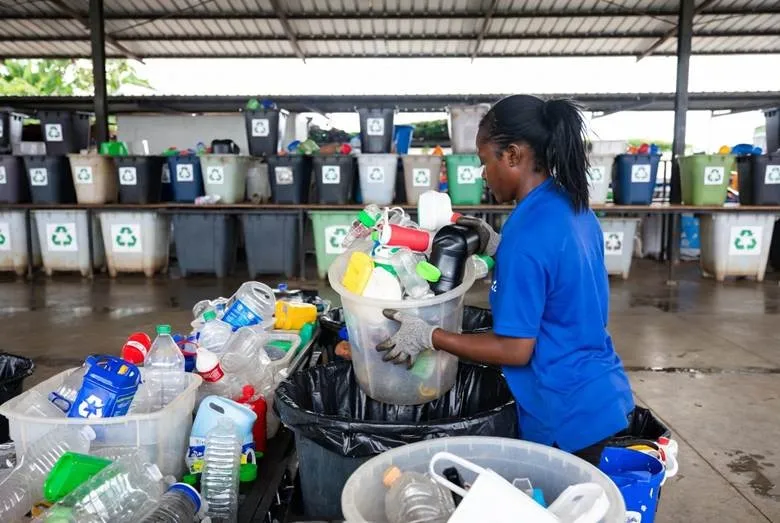
Many believe once an item is in the recycling bin, it’s automatically reused. In reality, recycling is a multi-step process:
- Collection: Materials are picked up from households.
- Sorting: Plastics are separated by type and color at a recycling facility.
- Shredding: Items are turned into flakes.
- Washing: Labels and residues are removed.
- Processing: Plastics are melted and reformed into pellets for manufacturing new products.
Professional waste collection services can help ensure that your items are sorted correctly, making the process efficient and more environmentally effective.
Myth 5: Recycling Alone Solves the Plastic Problem
While recycling is critical, it’s only part of the solution. Reducing plastic use, reusing items, and choosing sustainable alternatives are equally important. Recycling should complement, not replace, conscious consumption.
Tips to reduce your plastic footprint:
- Use reusable bags, bottles, and containers.
- Avoid single-use plastics where possible.
- Educate others on correct recycling practices.
- Support services and guides that promote responsible waste management, like the Plastic Recycling Ultimate Guide.
How You Can Take Action
Recycling works best when everyone participates correctly. Here’s what you can do:
- Familiarize yourself with your local council’s recycling rules.
- Separate soft plastics from hard plastics.
- Rinse and prepare all containers properly.
- Explore professional help if your household generates large amounts of recyclable waste — see services for options.
- Share knowledge with friends, family, and colleagues to expand the impact.
Even small changes in habit have a cumulative effect that significantly reduces waste.
Final Thoughts
Plastic recycling is a powerful tool, but only if it’s done correctly. By debunking common myths and following best practices, Australians can make a real difference in reducing waste, conserving resources, and protecting wildlife.
Remember, recycling is not just tossing items into a bin; it’s about understanding, sorting, and supporting the system properly. With help from professional waste collection services and educational resources like the Plastic Recycling Ultimate Guide, your recycling efforts can go further, creating a cleaner, greener future for everyone.