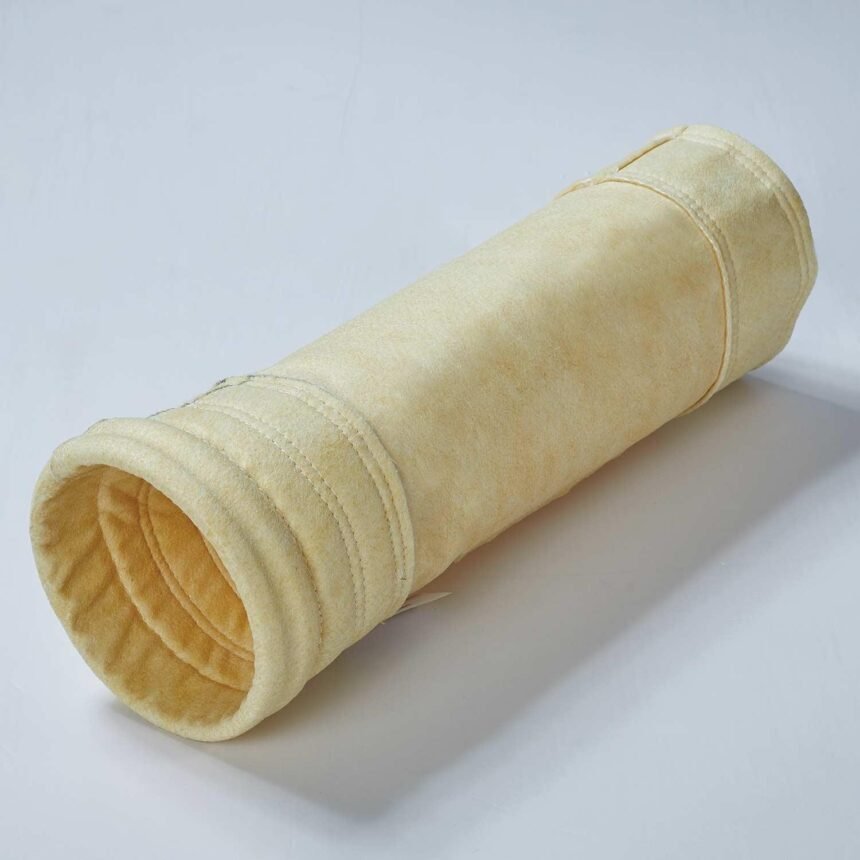
Industrial dust control has become a critical priority across multiple sectors as environmental regulations tighten and operational efficiency standards rise. From maintaining clean production environments to protecting worker health and extending equipment life, effective filtration systems are no longer optional. At the heart of these systems lie custom dust collector bags, a vital component designed to capture particulate matter and ensure clean air output in demanding industrial settings.
Custom dust collector bags are engineered to meet specific operational needs, making them suitable for a wide range of industries including chemical processing, pharmaceuticals, food manufacturing, metallurgy, and environmental protection. For more detailed technical specifications and product solutions.
Understanding Custom Dust Collector Bags
Dust collector bags are fabric-based filtration components used in baghouse dust collection systems. Their primary function is to separate dust and solid particles from air or gas streams generated during industrial processes. Unlike standard off-the-shelf products, custom dust collector filter bags are tailored to match specific equipment dimensions, operating temperatures, chemical exposure levels, and filtration efficiency requirements.
Customization allows manufacturers to optimize airflow, reduce pressure drop, and extend bag life, all of which contribute to improved system performance and reduced maintenance costs. Custom designs also ensure compatibility with different dust collector types, including pulse jet, shaker, and reverse air systems.
Materials Used in Dust Collector Filter Bags
The performance of a dust collector bag largely depends on the material used. Different industries require different fabrics based on operating conditions:
- Polyester filter bags for general industrial dust collection
- Polypropylene bags for chemical resistance and moisture control
- Aramid (Nomex) bags for high-temperature environments
- PTFE-coated filter bags for fine particle capture and easy dust release
- Fiberglass filter bags for extreme heat resistance
Selecting the right material ensures consistent filtration efficiency while protecting the bag from premature wear, chemical degradation, or thermal damage.
Applications Across Key Industries
Custom dust collector bags are widely used across multiple sectors due to their adaptability and performance reliability.
Chemical Industry
In chemical processing plants, dust collectors must handle corrosive particles and aggressive gases. Custom-designed filter bags help maintain air purity while resisting chemical reactions that could compromise filtration efficiency.
Pharmaceutical Industry
Cleanroom standards and strict contamination control make filtration critical in pharmaceutical manufacturing. High-efficiency dust collector bags help maintain sterile environments and comply with regulatory requirements.
Food Processing Industry
Dust control is essential for hygiene and product safety. Custom filter bags prevent cross-contamination and help manage fine powders such as flour, sugar, and spices while meeting food-grade standards.
Metallurgy and Mining
Metal dust, fumes, and abrasive particles require durable filter materials capable of withstanding harsh conditions. Custom dust collector bags improve equipment lifespan and enhance worker safety.
Environmental Protection
Air pollution control systems rely on effective filtration to reduce emissions. High-quality filter bags play a key role in capturing particulate matter before it is released into the atmosphere.
Benefits of Using Custom Dust Collector Filter Bags
Investing in customized filtration solutions provides several long-term advantages:
- Improved filtration efficiency
- Reduced system downtime
- Lower energy consumption
- Extended filter bag lifespan
- Compliance with environmental regulations
- Enhanced workplace safety
Customization ensures that the dust collector system operates at peak performance while minimizing operational disruptions.
Importance of Choosing the Right Filter Bag Supplier
Selecting a reliable Filter Bag Supplier is just as important as choosing the right filter bag design. A trusted supplier provides technical expertise, quality assurance, and consistent manufacturing standards. They also offer guidance on material selection, system compatibility, and maintenance practices.
An experienced supplier understands the diverse challenges faced by different industries and delivers filtration solutions tailored to specific operational needs. This level of expertise helps businesses reduce long-term costs while improving air quality and system efficiency.
Maintenance and Longevity Considerations
Proper maintenance significantly extends the life of dust collector bags. Regular inspections, correct cleaning cycles, and appropriate installation all contribute to optimal performance. Custom filter bags designed for specific dust characteristics and airflow conditions reduce the likelihood of clogging, tearing, or premature failure.
Working with knowledgeable suppliers also ensures access to replacement parts, technical support, and system optimization recommendations.
Innovation in Dust Collection Technology
Advancements in filtration materials and manufacturing techniques continue to improve dust collector performance. Innovations such as surface-treated fabrics, nanofiber layers, and anti-static coatings enhance dust release, reduce emissions, and improve overall system efficiency.
As industries move toward sustainable and energy-efficient operations, customized filtration solutions will play an increasingly important role in meeting environmental and operational goals.
Conclusion
Custom dust collector bags are a cornerstone of modern industrial filtration systems. Their ability to adapt to diverse operating environments makes them indispensable across chemical, pharmaceutical, food, metallurgy, and environmental protection industries. Choosing high-quality custom dust collector filter bags from a trusted Filter Bag Supplier ensures reliable performance, regulatory compliance, and long-term operational efficiency.