timely magazine logo timely magazine white
Search
  • Home
  • Business
  • Celebrity
  • Entertainment
  • Fashion
  • Health
  • Life Style
  • News
  • Tech
  • Contact Us
Reading: Signs of a Worn Brake Hose and How to Replace It
Share
Aa
Timely MagazineTimely Magazine
Search
  • Home
  • Business
  • Celebrity
  • Entertainment
  • Fashion
  • Health
  • Life Style
  • News
  • Tech
  • Contact Us
Timely Magazine > Tech > Signs of a Worn Brake Hose and How to Replace It
Tech

Signs of a Worn Brake Hose and How to Replace It

By IQnewswire September 6, 2025 5 Min Read
Share

When it comes to safe driving, your vehicle’s braking system is one of the most critical components. While brake pads and rotors get most of the attention, brake hoses play an equally important role in keeping your brakes responsive and functional. These flexible hoses carry brake fluid from your master cylinder to the calipers and wheel cylinders. If a hose fails, your entire brake system could lose pressure—making it difficult or even impossible to stop. Knowing how to identify the warning signs of a worn brake hose and when to replace it can help you avoid dangerous situations on the road.

Contents
What Is A Worn Brake Hose?Additional Common Brake Problems

What Is A Worn Brake Hose?

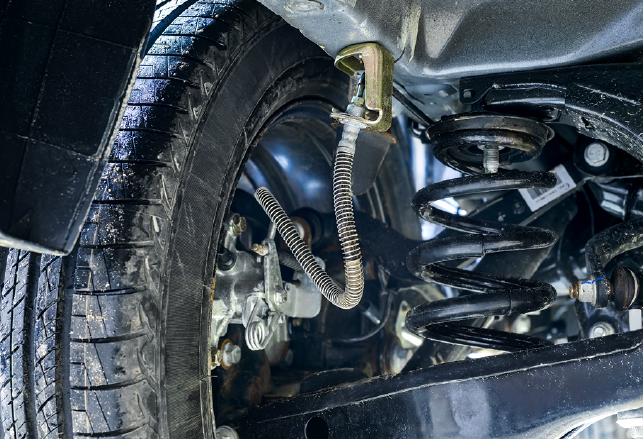
Brake hoses are typically made of rubber or braided stainless steel and are designed to handle high pressure. Over time, these hoses can crack, swell, or develop internal leaks. One of the first symptoms of a failing hose is a “soft” brake pedal—where the pedal feels spongy or sinks to the floor when pressed. This occurs because air or fluid loss within the hose disrupts the hydraulic pressure needed to activate the brakes.

You might also notice your vehicle pulling to one side while braking. This could be caused by one hose restricting fluid flow more than the others, creating uneven brake application. In more advanced cases, a damaged hose can leak brake fluid visibly onto the wheel well or ground. If you see any oily residue near the brake lines or wheels, it’s time to inspect your brake hose.

Another red flag is visible wear on the outside of the hose. Check for surface cracks, bulges, or signs of dry rot. Any visible damage means the hose is compromised and should be replaced immediately. Brake hoses are wear items, just like pads and rotors, and should be checked regularly—especially on older vehicles or those driven in extreme climates.

Replacing a worn brake hose isn’t overly complicated if you’re comfortable working on your car’s braking system. First, safely jack up and secure the vehicle. Then, locate the hose, remove the old fittings, and replace the hose with a new one rated for your specific make and model. Always use fresh brake fluid, and be sure to bleed the system to remove any trapped air that could affect performance.

Additional Common Brake Problems

A worn brake hose isn’t the only component that can compromise your braking system. Another part to keep an eye on is the brake sensor. Many modern vehicles use brake pad wear sensors to notify you when your pads are low. If the sensor fails or becomes damaged, you may not receive a warning before your pads wear down completely, potentially leading to rotor damage or longer stopping distances.

Brake fluid also plays a vital role in system performance. If you’ve recently topped off or replaced your fluid, make sure the brake fluid cap is secured tightly and free of damage. A loose or cracked cap can allow moisture and contaminants to enter the brake fluid reservoir, leading to decreased braking performance and internal corrosion over time.

Other signs of brake trouble include grinding noises (often from metal-on-metal contact when pads are worn), a pulsing brake pedal (usually caused by warped rotors), and vibration in the steering wheel during braking. All of these issues can affect safety and should be addressed promptly.

Prevention is key. Perform regular visual inspections and listen for new or unusual sounds during braking. Check your brake fluid level at least once a month and replace it every 2–3 years to prevent moisture buildup. Inspect hoses, pads, and rotors every 12,000–15,000 miles or during routine maintenance tasks like tire rotations.

If you’re ever in doubt about your braking system’s condition, don’t take chances. Whether you’re replacing hoses, sensors, or fluid caps, using the correct parts and installing them properly can make a significant difference in how your car handles daily driving and emergency stops.

For More Information Visit Techreels

Share This Article
Facebook Twitter Pinterest Whatsapp Whatsapp Email Copy Link

LATEST NEWS

Building A Solid, Timeless Watch Collection That Surpasses Trends

Life Style
September 13, 2026

Catwalk to High Street: How Fashion Week Trends Reach Your Wardrobe

Fashion has always had a way of moving from the exclusive world of the runway…

September 7, 2026

How to Create a Six-Month Emergency Fund Without Feeling Overwhelmed

Introduction Building a six-month emergency fund is one of the most important financial goals a…

August 28, 2026
Creating a Home

7 Strategies for Creating a Home That Balances Beauty and Function

Introduction A well-designed home should do more than look attractive. It should support daily routines,…

August 25, 2026
Igniting the Spark of Skills! WorldSkills Shanghai 2026 Announced the Second Cohort of Dream Ambassadors

Igniting the Spark of Skills! WorldSkills Shanghai 2026 Announced the Second Cohort of Dream Ambassadors

On World Youth Skills Day, 15 July, the WorldSkills Shanghai 2026 Executive Bureau announced the…

August 25, 2026

Experience Golden Treasure 777: The Perfect Platform for Gamers

Are you looking for games with outstanding graphics and sound effects? If this is the…

August 12, 2026
Categories
  • Artificial intelligence
  • automotive electronics
  • BIOGRAPHY
  • Blog
  • Business
  • CBD
  • Celebration
  • Celebrity
  • Cleaning
  • Construction
  • Crypto
  • Donation
  • E-Sim
  • Education
  • Entertainment
  • Fashion
  • Finance
  • Fitness
  • Food
  • Forex
  • Games
  • Guide
  • Health
  • Home Improvement
  • LAW
  • Life Style
  • Machines
  • News
  • Online Pharmacies
  • Pet
  • Pets
  • Recipes
  • Safety
  • SEO
  • Social media
  • Sports
  • Tea
  • Tech
  • TECHNOLOGY
  • Tools
  • Tools Kit
  • Travel
  • Vehicle

YOU MAY ALSO LIKE

How to Manage Claude Code/Codex Sessions More Efficiently: A Visual Approach to AI Coding Workflows

AI coding tools like Claude Code and OpenAI Codex are changing how developers build software. They can generate functions, refactor…

Tech
April 18, 2026

Consistency at Scale: Managing Generative Entropy in AI Video Campaigns

The transition from experimental AI clips to commercially viable video campaigns is marked by a single, stubborn hurdle: consistency. While…

Tech
April 15, 2026

The Fatigue Gap: Engineering Performance Creative via AI Image Editor Pipelines

The core challenge of performance marketing in the current landscape is not just finding a winning creative, but surviving the…

Tech
April 13, 2026

Granular Creative Ops: Mapping Workflow Stages to Banana Pro AI

The shift from experimental AI usage to standardized creative operations requires a transition from "prompting for fun" to "routing for…

Tech
April 10, 2026

About Us

Timely Magazine is a blog website that covers the latest news and information on various topics such as business, technology, fashion, lifestyle, education, health, and entertainment. We provide our readers with the latest news and information in an easy-to-read format.

Recent Posts

Building A Solid, Timeless Watch Collection That Surpasses Trends

By Admin September 13, 2026

Catwalk to High Street: How Fashion Week Trends Reach Your Wardrobe

By ENGRNEWSWIRE September 7, 2026

Top Categories

  • Business
  • Celebrity
  • Entertainment
  • Life Style
  • News
  • Tech
  • Home
  • About Us
  • Disclaimer
  • Privacy Policy
  • Contact Us

© 2024 Timelymagazine All Rights Reserved | Developed By Soft Cubics

Office Address: Office 295, 85 Dunstall Hill, Wolverhampton, England, WV6 0SR

Welcome Back!

Sign in to your account

Lost your password?