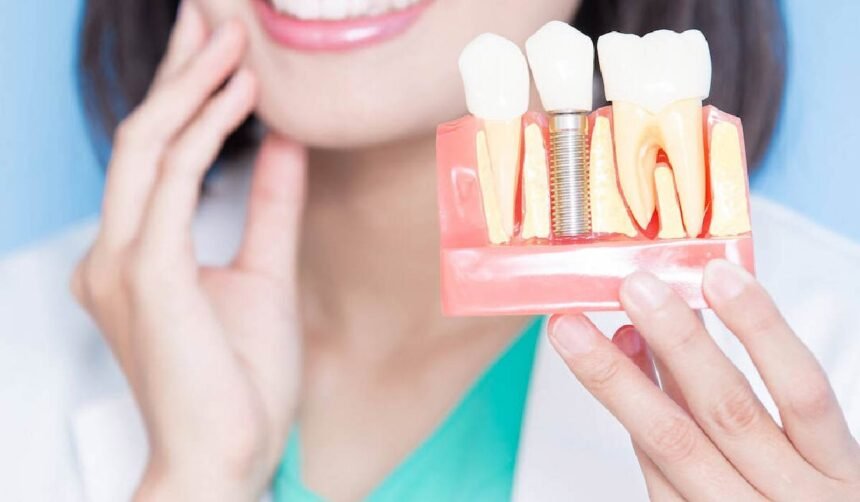
Full-arch implant solutions have become an established option for patients in London who are missing most or all of their teeth in one jaw. Rather than replacing each tooth individually, this treatment involves placing a carefully planned number of implants to support a fixed, full-arch prosthesis. It is commonly referred to as “same-day teeth” or “teeth in a day”, although the clinical process involves detailed assessment, digital planning, and staged treatment to ensure long-term stability.
The top cosmetic dentist from MaryleboneSmileClinic, located at address: 66 Harley St, London W1G 7HD, 02071268526, explains that careful case selection is essential. “Full-arch implant treatment is not simply about replacing teeth; it’s about restoring bite balance, facial support and long-term oral health. Patients should understand the assessment process and aftercare commitments before proceeding.” This professional perspective highlights that while the outcome can be transformative, it relies on meticulous planning rather than a one-size-fits-all approach.For many patients researching dental implant London services, full-arch systems offer a practical alternative to removable dentures. Instead of relying on adhesives or dealing with movement while eating and speaking, patients receive a secure structure anchored into the jawbone. Advances in 3D imaging, guided surgery, and modern implant surfaces have made the procedure more predictable than in previous decades.
In London, where patients often balance demanding work schedules with healthcare decisions, the appeal of a streamlined yet comprehensive solution is understandable. The following sections outline five key benefits frequently discussed by clinicians when recommending full-arch implant treatment.
Benefit One: Restored Function and Bite Stability
One of the most significant advantages of full-arch implant solutions is the restoration of reliable chewing function. Traditional dentures rest on the gums and may shift under pressure, particularly in the lower jaw. This instability can limit dietary choices and affect confidence in social or professional settings. By contrast, implants are integrated into the jawbone, creating a firm anchor for the prosthetic arch.
When implants fuse with bone through a biological process known as osseointegration, they form a stable base capable of withstanding everyday biting forces. Patients can typically return to eating a wider range of foods, including those that would challenge removable dentures. This improved function also supports more balanced nutrition, which is particularly relevant for older adults who may otherwise avoid certain foods.
Another aspect of functional restoration is speech. Loose dentures can cause clicking sounds or altered pronunciation. A fixed implant-supported arch reduces these risks by remaining secure during normal speech patterns. Many patients report that once they adapt to their new teeth, they speak more clearly and with greater confidence.
Clinically, restoring proper bite alignment can also reduce strain on the jaw joints and surrounding muscles. When teeth are missing for a prolonged period, the remaining structures often compensate, leading to uneven wear or discomfort. A full-arch solution allows dentists to re-establish a balanced occlusion, improving both comfort and long-term oral stability.
Benefit Two: Preservation of Jawbone and Facial Structure
Loss of teeth has a direct effect on bone health in addition to appearance. Chewing forces no longer stimulate the underlying bone when a tooth is extracted. The jaw may eventually shrink as a result of bone resorption. In more severe situations, this bone loss changes the features of the face and makes the area surrounding the mouth appear sunken.
Full-arch implants help address this issue by reintroducing functional stimulation to the jawbone. Because implants act as artificial tooth roots, they transmit forces into the bone during chewing. This encourages the body to maintain bone density in the treated area. While some degree of natural change may still occur with age, implant-supported restorations significantly reduce the rate of bone loss compared to conventional dentures.
From an aesthetic perspective, preserving bone helps maintain facial proportions. Lips and cheeks are better supported, and the lower third of the face retains a more natural shape. For patients concerned about looking prematurely aged due to missing teeth, this structural benefit is often as important as the teeth themselves.
In London practices, digital scanning and cone beam CT imaging are routinely used to evaluate bone volume before treatment. Where bone loss has already occurred, additional procedures such as grafting may be considered. By addressing both function and structure, full-arch implant solutions offer a comprehensive approach that extends beyond cosmetic improvement.
Benefit Three: Improved Comfort and Long-Term Convenience
Comfort is a frequent concern for those wearing removable dentures. Pressure points, sore spots, and irritation can develop over time, particularly if the denture fit changes due to ongoing bone resorption. Regular adjustments may be required, adding to long-term maintenance needs.
With full-arch implants, the prosthesis is secured in place, eliminating many of the movement-related issues associated with dentures. Because the restoration does not rest directly on the gums in the same way, patients often experience reduced irritation. After an initial adaptation period, most individuals describe the sensation as closer to having natural teeth.
Convenience is another practical benefit. Removable dentures must be taken out daily for cleaning and often require specific storage solutions. Implant-supported arches are typically cleaned in a similar way to natural teeth, using brushing, interdental aids, and professional hygiene visits. Although diligent oral hygiene remains essential, the routine is generally simpler and more discreet.
For working professionals in London, minimising disruption to daily life is a priority. Full-arch solutions can reduce the ongoing adjustments and adhesives associated with dentures. While regular dental reviews are still necessary, the overall experience tends to be more streamlined, supporting a stable, long-term solution rather than a temporary compromise.
Benefit Four: Aesthetic Consistency and Natural Appearance
Modern full-arch restorations are designed with close attention to aesthetics. Dentists work with dental technicians to select tooth shapes, shades, and gum contours that complement the patient’s facial features. This level of customisation ensures that the final result appears balanced and appropriate rather than artificial or uniform.
Digital smile design tools allow clinicians to preview potential outcomes before treatment begins. Patients can see how tooth length, alignment, and colour may affect their overall appearance. This collaborative planning process reduces uncertainty and helps set realistic expectations.
Unlike some traditional dentures, which may appear bulky or unstable, implant-supported arches can be contoured more precisely. Because the restoration is fixed in position, there is less need for extended flanges to achieve retention. This can result in a more refined profile and improved comfort.
Aesthetic stability is also important over time. As implants help maintain underlying bone, the risk of visible changes in gum contours is reduced. Patients often appreciate the confidence that comes from knowing their teeth will not shift unexpectedly during conversation or meals. In a professional environment such as London, where personal presentation can influence first impressions, this consistency provides tangible reassurance.
Benefit Five: Psychological and Social Confidence
The impact of tooth loss extends beyond physical health. Many patients describe feeling self-conscious about smiling, eating in public, or speaking in meetings. Over time, this can affect social engagement and professional interactions. Restoring a complete set of teeth with a secure, natural-looking solution often has a measurable psychological benefit.
Full-arch implant treatment addresses both appearance and function, which together support renewed confidence. Patients frequently report that they no longer worry about dentures slipping or making noise. This reduction in anxiety can make everyday activities more comfortable.
In clinical follow-ups, dentists observe improvements not only in oral health but also in overall wellbeing. Feeling comfortable with one’s smile can influence posture, communication style, and willingness to engage socially. While these outcomes are subjective, they are consistently reported across diverse age groups.
Choosing a provider for dental implant London treatment is a significant decision, involving careful consultation and clear discussion of risks and benefits. When patients understand the realistic outcomes and commit to maintenance, full-arch implant solutions can offer a durable and life-enhancing option. By restoring structure, function, and appearance, this approach addresses the broad consequences of tooth loss in a comprehensive and evidence-based manner.