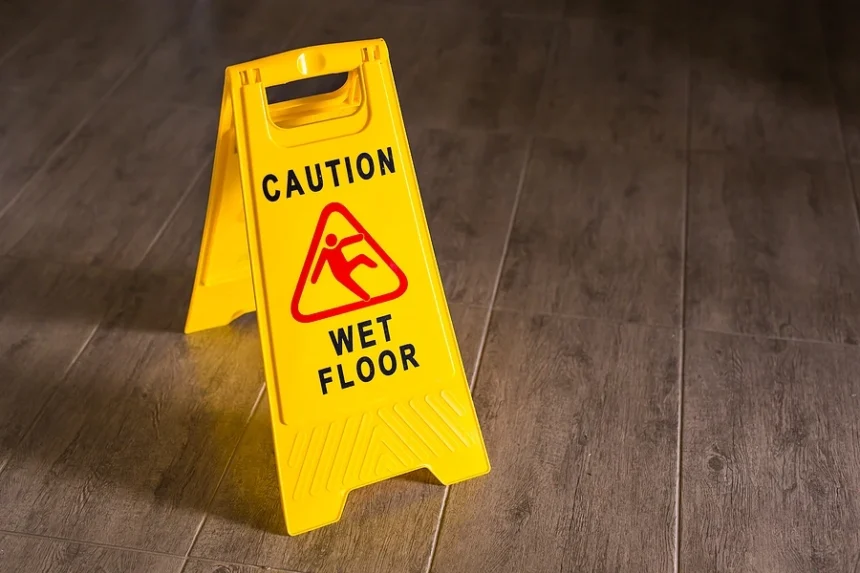
You might be replaying the moment over and over. One second you were just walking to your car, into a store, or across a parking lot. The next second you were on the ground, your back or wrist screaming, your clothes wet, people staring. Snow, ice, slush, black ice, freezing rain. It all happened so fast, and now you are left asking a hard question. Who is actually responsible for this. Visit https://phillyslipandfallguys.com/ for more information.
When a fall is tied to bad weather in Pennsylvania, the answers are not always simple. Property owners are not automatically to blame just because there was snow or ice. At the same time, they are not automatically off the hook because “it was winter.” The truth sits in the middle. Pennsylvania law looks at timing, what the owner knew, what they did to make things safer, and what a reasonable person would expect in that kind of storm.
So where does that leave you. In short, weather can affect slip and fall liability in PA in big ways, but it does not erase your rights. If a business or landlord ignored dangerous conditions for too long or handled them carelessly, you may still have a strong claim for your injuries, medical bills, and lost income.
How Pennsylvania winters and storms change the liability conversation
Winter in Pennsylvania is not a surprise. State agencies constantly remind people to prepare for snow and ice. For example, PennDOT publishes guidance on winter preparation and safe travel. That public awareness matters. It shows that snow and ice are expected, not rare accidents of nature.
Because winter hazards are expected, property owners also have a duty to anticipate them. But that duty is not unlimited. Pennsylvania courts use what is often called the “hills and ridges” doctrine in many winter slip and fall cases. In plain language, this means a property owner is usually not responsible for every patch of snow during an active storm. They are more likely to be responsible when:
The snow or ice has been there long enough that they should have done something. The snow or ice formed ridges or piles that were obvious and dangerous. The condition was on an area where customers, tenants, or visitors were expected to walk.
Imagine two different situations. In the first, a sudden freezing rain hits while you are walking into a grocery store. The sidewalks glaze over in minutes. In the second, it has not snowed for a full day, yet the store’s front walkway still has deep, frozen ridges and untreated ice while nearby businesses have cleared their areas. The law is much more likely to find the store responsible in the second situation.
When does bad weather excuse a property owner, and when does it not
Because of this tension, you might wonder how much bad weather really protects a property owner. It helps to break it down into a few questions.
First, was the storm still going on. If heavy snow is falling or sleet is still coming down, the law recognizes that constant clearing is nearly impossible. There is some “grace period” for owners to respond once the storm eases. That does not mean they can ignore obvious dangers, but it does shape what counts as reasonable.
Second, what did the owner actually do. Did they salt, shovel, or plow. Did they put out warning cones or signs near known icy spots. Or did they do nothing and hope the sun would take care of it. A claim is much stronger when there is evidence of neglect, such as security footage showing no efforts to clear snow all day, or witnesses describing how customers kept slipping in the same spot.
Third, how open and obvious was the danger. Pennsylvania law sometimes reduces or denies recovery if the hazard was so clear that a reasonable person would have seen it and avoided it. This is where weather cuts both ways. On one hand, you know winter means potential ice. On the other hand, some dangers, such as black ice or melted refreeze at a doorway, are not obvious at all.
So, where does your own conduct fit into all of this. Pennsylvania follows a comparative negligence rule. If you are found partly at fault, for example by running on an obviously slick surface, your compensation can be reduced by your percentage of fault. Resources like the state’s driver’s manual on managing speed and stopping on slick surfaces show that everyone is expected to use some extra care in winter. But that expectation does not erase a property owner’s duty to act reasonably.
Weather, safety efforts, and liability in PA compared
It can help to see how different winter scenarios change the way liability is viewed. This is a general guide, not a final answer for any one case, but it gives you a sense of how weather and property owner choices interact in PA slip and fall responsibility.
| Scenario | Weather / Timing | Owner’s Efforts | How Liability Is Commonly Viewed |
|---|---|---|---|
| Active snowstorm, fresh accumulation | Snow still falling, surfaces changing by the minute | Some plowing or salting, but conditions still slippery | Owner often not liable if efforts are reasonable and ongoing |
| Storm ended hours ago, icy parking lot | No new snow or ice, temperatures below freezing | No plowing, no salting, no warning signs | Higher chance of owner liability for failure to address known risk |
| Melt and refreeze near doorway | Daytime thaw, nighttime refreeze creating black ice | Mats missing or soaked, no salt, no cones | Owner may be liable if this pattern is predictable and ignored |
| Sidewalk after major storm | Storm over, streets cleared, sidewalks still covered in ridges | Other nearby walks cleared, but this one left untouched | “Hills and ridges” doctrine can support a claim against the owner |
| Extreme, rare ice event | Sudden flash freeze after rain, conditions change in minutes | Little time to react, no realistic warning | Liability less likely unless the owner knew and ignored prior warnings |
State agencies, including Pennsylvania’s emergency management office, publish guidance on winter storms and how to stay safe. Property owners who ignore these predictable hazards and do not plan for them are more exposed to claims when someone gets hurt.
Three immediate steps after a weather related slip and fall
In the middle of pain and confusion, it is hard to think about evidence, deadlines, or legal rules. Still, a few careful steps can protect your health and your rights.
- Get medical care and document every symptom
Even if you feel “mostly okay,” winter falls often involve hard impacts on ice, which can cause hidden injuries to your back, neck, or head. See a doctor or urgent care as soon as you can. Be specific about what happened and every body part that hurts, even if the pain feels minor. Medical records created right away are powerful proof that the fall, not something else later, caused your injuries.
- Capture the scene before it changes
Snow and ice rarely look the same even an hour later. If you can do it safely, or if someone you trust can help, take photos or video of the area. Show the surface where you fell, any snow piles or icy ridges, nearby lighting, warning signs or lack of them, and the path you were walking. Keep your shoes and clothes from that day, since they can matter in a claim about traction and conditions. If anyone saw you fall, ask for their name and contact information while the memory is fresh.
- Talk to a personal injury lawyer before the insurance company
Insurance adjusters often sound friendly, but their job is to limit what gets paid out. In weather related cases, they may quickly claim that the storm was to blame, not the property owner. A personal injury lawyer who understands Pennsylvania winter liability rules can sort through timing, weather reports, maintenance logs, and surveillance footage to see what really happened. Speaking with counsel before giving recorded statements or signing any forms can prevent you from saying something that is later used against you.
Moving forward when winter weather turns your life upside down
You did not choose the storm, the icy walkway, or the fall. You are now dealing with medical appointments, missed work, and maybe a deep sense of frustration that something so preventable was allowed to happen. It is completely normal to feel overwhelmed and unsure whether you even have a case.
Understanding how weather conditions affect slip and fall liability in Pennsylvania is the first step. The next step is getting clear, specific advice about your situation. A careful review of the timing of the storm, the property owner’s actions, and your injuries can reveal options you might not realize you have.
You do not have to navigate the aftermath of a winter slip and fall alone. Reaching out to a skilled personal injury attorney can help you protect your health, document what happened, and pursue the compensation the law allows when someone else’s choices contributed to your fall.