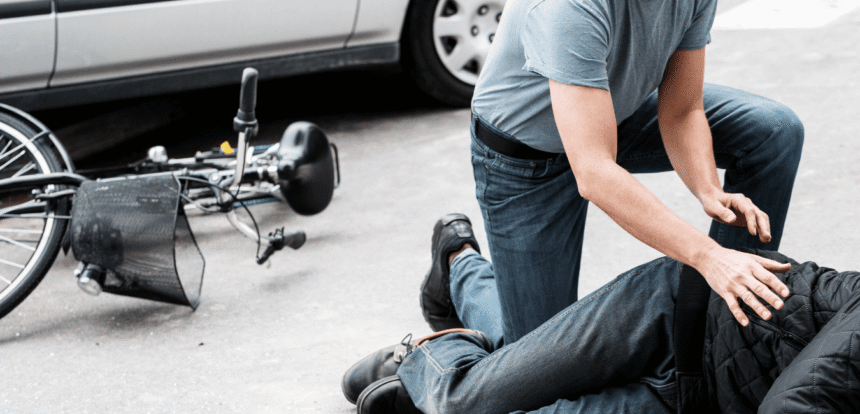
You might still be replaying the moment over and over. One second you were crossing the street or walking through a parking lot, and the next you were on the ground, in pain, with people asking if you could move. The physical shock is one thing. The wave of questions that comes after is another. Who pays for this. What if you cannot work. What does “bodily injury coverage” even mean when you are a pedestrian, not a driver, and how does bodily injury coverage after a pedestrian accident actually work in your situation.end
If you are feeling overwhelmed, that makes sense. You are being asked to make decisions about medical care, is, and paperwork while you may be hurting, exhausted, and scared about money. This is exactly when clear information matters most.
Here is the short version. Bodily injury is coverage is the part of an auto policy that can pay for your injuries when a driver is at fault. As a pedestrian, you may be covered by the driver’s liability is, your own auto policy, and sometimes special state coverage. The challenge is that is companies rarely explain this clearly. You often have to ask the right questions and protect yourself from low offers.
So where does that leave you right now. It means you do not have to know every law by heart, but you do need a basic roadmap, so you do not sign away your rights or leave money on the table when you may need it most.
What does bodily injury coverage really mean when you are a pedestrian?
Bodily injury coverage on a driver’s auto policy is designed to pay for the harm that driver causes to other people. That includes pedestrians. It can cover medical bills, lost wages, and, in many cases, pain and suffering.
Because every state sets its own rules, the details can feel confusing. Some states only require low minimum limits, which may not come close to covering a serious injury. For example, states publish required coverage levels and explanations for consumers. You can see how one state explains its required auto coverage on the official Idaho is site, which offers a plain language overview of required auto coverage.
So why does this matter to you. Because the amount of bodily injury coverage available can decide whether your medical care is fully paid or whether you end up with leftover bills and financial pressure for years.
After a pedestrian accident, there are a few possible is sources that may come into play.
- The at fault driver’s bodily injury liability is.
- Your own auto policy, if you have one, including medical payments, personal injury protection, or underinsured motorist coverage.
- In some states, special systems like no fault or unique pedestrian protections.
Each of these has rules, deadlines, and traps. The problem is that you often find this out only after an adjuster has called you, sounding friendly, and asking for a recorded statement or pushing you toward a quick settlement.
Why does this feel so stressful, and what are the real risks if you guess wrong?
The emotional side is easy to overlook, yet it affects every choice you make. You may be in pain, missing work, and worried about your job or family. At the same time, medical providers are sending bills, and is letters are arriving with terms that sound technical and cold.
Because of this tension, you might wonder if you should just accept the first offer and be done with it. That is exactly what many injured pedestrians do, often because they do not realize how much future care might cost.
Consider a few common “what if” situations.
- What if you feel “mostly okay” now, but your knee or back gets worse months later, and your doctor recommends surgery. If you already signed a full release for a small settlement, you usually cannot reopen the claim.
- What if the driver only has the state minimum coverage, and your hospital stay alone is more than that amount. You may need to look at your own policies for underinsured motorist coverage, or explore other legal options, to avoid being stuck with the balance.
- What if the is company argues that you were “partly at fault” for crossing outside the crosswalk. In many states, that does not bar you from recovering, but it may reduce what they offer. How you respond to that argument can change the outcome a lot.
Some states explain these systems openly. For instance, South Carolina’s Department of is outlines how automobile is works and what is required, which can help you understand the framework around automobile is requirements. Michigan goes further and explains how to choose different levels of bodily injury coverage, because their no fault system has extra layers. Even if you do not live in these states, seeing how state agencies talk about coverage can help you ask better questions where you are.
So, what is the real risk. If you move too fast, rely only on what the adjuster tells you, or assume that the law will “take care of” you, you may end up underpaid, still hurting, and carrying debt that should have been covered.
Should you try to handle a bodily injury claim alone or get legal help?
Many people wonder whether they should manage a pedestrian accident bodily injury claim on their own or speak with a personal injury lawyer. There is no one answer for everyone, but there are clear differences in risk and effort.
| Issue | Handling claim on your own | Working with a personal injury lawyer |
|---|---|---|
| Dealing with is adjusters | You handle all calls, statements, and negotiations yourself. Risk of saying things that hurt your claim. | Lawyer speaks for you, prepares you for any statements, and manages negotiations. |
| Understanding coverage and policy limits | Must read and interpret policies on your own. Easier to miss extra coverage like underinsured motorist benefits. | Lawyer reviews all available policies and identifies every possible source of recovery. |
| Valuing your claim | Often based only on medical bills and immediate lost wages. Pain, suffering, future care, or long term impact may be undervalued. | Lawyer evaluates medical records, future treatment needs, and non economic damages to support a higher, more realistic value. |
| Time and stress | You juggle recovery, work, family, and claim management. Can be draining and confusing. | Lawyer manages the legal and is side so you can focus more on healing. |
| Cost | No attorney fee, but higher risk of accepting a low settlement or missing claims entirely. | Contingency fee from the recovery in many cases. No fee if there is no recovery, in most standard arrangements. |
This comparison is not meant to scare you. It is meant to show that your decision has tradeoffs. If your injuries are very minor and you recovered quickly, handling things yourself might be fine. If your injuries are more serious, or if you are unsure about the long term impact, getting advice from a lawyer who focuses on bodily injury claims can be a form of protection for your future self.
Three concrete steps you can take right now
- Protect your medical record and follow through with care
Go to every follow up appointment your doctor recommends. Be honest and detailed about your pain, limits, and how your life has changed since the accident. Your medical records will become the backbone of your claim. If you skip appointments or “tough it out” in silence, the is company may argue that you were not really hurt or that you healed quickly.
- Get all is information and keep a simple paper trail
Write down the driver’s name, address, insurer, and policy number if you do not already have it from the police report. Contact your own auto insurer to report that you were a pedestrian hit by a car, even if you were not driving. Ask them, in plain language, what coverages might apply. Keep a folder, physical or digital, with medical bills, receipts, time off work, and any notes about pain or limits on your daily activities. This creates proof that supports your personal injury lawyer if you choose to work with one.
- Talk with a lawyer before you agree to any settlement or recorded statement
is adjusters are trained to sound friendly and reasonable, yet their job is to save the company money. Before you give a recorded statement or sign any release, consider a free consultation with a lawyer who handles pedestrian bodily injury coverage cases. Bring your paperwork and your questions. Even one conversation can help you understand whether an offer is fair, what your case might truly be worth, and how the process works in your state.
Moving forward with clarity and support
Right now, you may feel caught between wanting to move on and fearing what will happen if you rush. That tension is normal. You do not have to untangle every legal detail on your own, but you do deserve to understand the basics of bodily injury coverage, your rights as a pedestrian, and your options for protecting your health and your finances.
With the right information and support, you can move from confusion toward a plan. You can focus on healing while knowing that your claim is being handled carefully and that you are not signing away more than you realize. Whatever you choose, give yourself permission to slow down, ask questions, and insist on fair treatment. You have already been through enough.