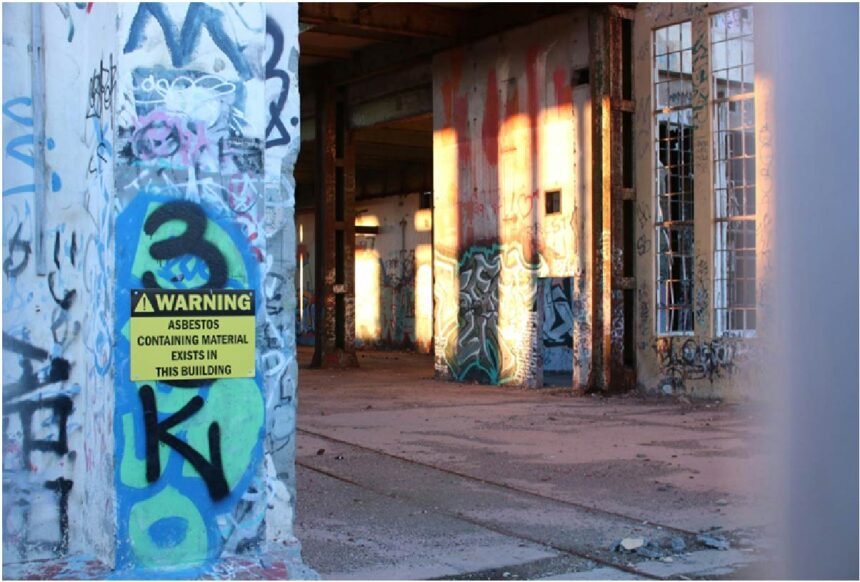
Asbestos, once hailed for its durability and resistance to heat, is now recognized as a significant health hazard. The removal of asbestos from residential and commercial buildings is crucial to ensure the safety of occupants and compliance with health regulations. This article will guide you through the essential steps and considerations for effective asbestos removal, ensuring that your property remains safe and compliant.
Understanding the Importance of Asbestos Removal
Asbestos fibers, when disturbed, can become airborne and pose serious health risks, including lung cancer and asbestosis. Therefore, understanding the importance of asbestos removal is crucial for property owners. Not only does it protect the health of occupants, but it also ensures compliance with legal regulations, avoiding potential fines and liabilities.
Identifying Asbestos in Your Building
Before any removal process begins, it is essential to identify the presence of asbestos in your building. Asbestos can be found in various materials, including insulation, floor tiles, and roofing. A professional inspection is recommended to accurately assess the presence and condition of asbestos-containing materials (ACMs).
Steps for Safe Asbestos Removal
Once asbestos is identified, a structured approach to its removal is necessary. Here are the key steps involved in the safe removal of asbestos:
- Hire a Licensed Professional:Engage a certified asbestos removal contractor who has the expertise and equipment to handle the process safely.
- Develop a Removal Plan:The contractor will create a detailed plan outlining the removal process, safety measures, and disposal methods.
- Prepare the Area:The affected area should be sealed off to prevent asbestos fibers from spreading. This includes shutting down HVAC systems and using plastic sheeting to contain the area.
- Remove Asbestos Materials:The contractor will carefully remove the ACMs, ensuring minimal disturbance to prevent fiber release.
- Dispose of Asbestos Waste:Asbestos waste must be disposed of in accordance with local regulations, typically at designated hazardous waste facilities.
- Conduct a Final Inspection:After removal, a thorough inspection should be conducted to ensure all asbestos has been effectively removed and the area is safe for reoccupation.
Legal and Regulatory Compliance
Compliance with legal and regulatory requirements is a critical aspect of asbestos removal. Regulations vary by region, but generally, they mandate the use of licensed professionals and proper disposal methods. Failure to comply can result in significant fines and legal action. It is essential to stay informed about local regulations and ensure that all removal activities adhere to them.
Choosing the Right Asbestos Removal Contractor
Selecting a qualified asbestos removal contractor is vital to ensure the safety and effectiveness of the removal process. Consider the following factors when choosing a contractor:
- Licensing and Certification: Verify that the contractor holds the necessary licenses and certifications to perform asbestos removal.
- Experience and Reputation: Look for contractors with a proven track record and positive reviews from previous clients.
- Insurance Coverage: Ensure the contractor has adequate insurance coverage to protect against potential liabilities.
- Transparent Pricing: Request a detailed quote that outlines all costs associated with the removal process.
Maintaining a Safe Environment Post-Removal
After asbestos removal, maintaining a safe environment is crucial. Regular inspections and air quality monitoring can help ensure that no residual asbestos fibers remain. Additionally, educating occupants about the importance of avoiding disturbance to any remaining ACMs can prevent future exposure risks.
Conclusion: Prioritizing Health and Safety
Asbestos removal is a critical process that prioritizes the health and safety of building occupants. By understanding the importance of professional removal, adhering to legal requirements, and choosing the right contractor, property owners can effectively manage asbestos risks. Ensuring a safe and compliant environment not only protects health but also adds value to the property.