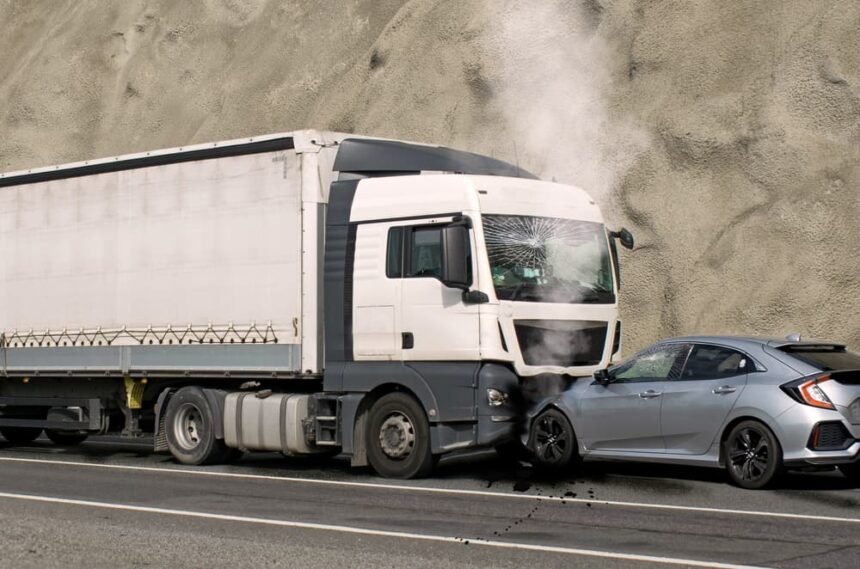
Car Accident vs Truck Accident Claims: Which One Is More Difficult To Win?
You might still be replaying those few seconds in your head. The screech of brakes, the impact, the shock that hits even before the pain. Now you are home, or maybe still in a hospital room, staring at paperwork and wondering what comes next after an auto accident injury. You may have heard that truck accidents are “different” from regular car crashes, but no one has really explained what that means for you.end
It is completely normal to feel overwhelmed. You are trying to heal, deal with insurance calls, answer questions from work, and at the same time you are worried about money and your future. Because of this pressure, you may be asking yourself a very specific question. When it comes to car accident vs truck accident claims, which one is actually harder to win, and why does it feel so confusing already?
Here is the short version. Car accident claims usually involve fewer parties and more familiar rules. Truck accident claims often involve commercial drivers, federal regulations, and powerful insurance companies that fight hard. Both can be challenging, but truck accident cases are usually more complex, more heavily defended, and more expensive to get wrong. Understanding these differences is the first step to protecting yourself.
Why do car and truck accident claims feel so different from the very start?
After a car crash, the story often sounds like this. Two drivers, one or both pointing fingers, and an insurance adjuster who wants to “get this wrapped up” quickly. The questions focus on who had the right of way, how fast everyone was going, and what your medical records show. It can still be stressful, but the pieces are somewhat familiar.
Now picture a serious collision with a large commercial truck. The scene is different. There may be police, multiple company representatives, and sometimes even investigators for the trucking company. The truck might have an electronic logging device, GPS data, and maintenance records that matter just as much as witness statements. You are not just dealing with a driver. You might be dealing with a trucking company, a cargo company, and several insurance policies stacked on top of each other.
Because of this, you may feel like you walked into a game that started long before you arrived, and everyone else already knows the rules.
What makes truck accident claims harder to win than car accident claims?
To see the difference, it helps to look at the moving parts. With a typical car crash, the law usually focuses on whether someone was careless. Did a driver run a red light. Did someone follow too closely. Did a driver get distracted. The insurance company often looks for any reason to blame you, even partly, since that can reduce what they pay. Still, the number of players is usually small.
With a truck crash, there are extra layers. The Federal Motor Carrier Safety Administration explains that commercial motor vehicles have unique safety challenges, including longer stopping distances, large blind spots, and different handling compared to cars. You can see more about these challenges from the FMCSA on their page about commercial motor vehicle safety issues. These differences mean that the rules for truck drivers and trucking companies are much stricter, and those rules become powerful evidence if they are broken.
Here are some of the key reasons truck claims are usually harder to win without strong help.
- More parties, more finger pointing
In a car crash, you might deal with two drivers and two insurers. In a truck crash, potential defendants can include the truck driver, the trucking company, a shipping company that loaded the cargo, a maintenance contractor, and even a manufacturer if a part failed. Each one has its own insurance, its own lawyers, and its own story about what “really” happened. They may spend more time blaming each other than taking responsibility, and you can get caught in the middle.
- Complex regulations and hidden evidence
Truck drivers and trucking companies must follow detailed federal and state rules. There are limits on driving hours, requirements for inspections, and strict standards for record keeping. Evidence can include logbooks, electronic data, maintenance reports, and company safety policies. Some of this information can be “lost” or overwritten if it is not requested quickly. Knowing what to ask for and how to preserve it is critical in a truck case.
- Higher stakes for the insurance companies
Truck crashes often cause more severe injuries. A fully loaded truck has enormous force, and that translates into more medical bills, more lost income, and more long term needs. Because the potential payout can be very high, commercial insurers usually fight harder. They may send their own investigators to the scene and start building their defense before you even leave the hospital.
By comparison, a car accident claim may still be frustrating, but the process is usually more straightforward. Many auto insurance claims follow patterns explained in consumer resources such as the Massachusetts guide on frequently asked questions about auto insurance claims. That does not mean it is easy. It just means the road is more familiar.
How do emotional and financial pressures show up in each type of claim?
There is the law, and then there is your life. Both matter. After a car accident, you might be worried about getting your car repaired, missing work for a short time, and covering medical visits. The emotional strain is real, especially if you have pain that lingers or anxiety about driving again.
After a truck crash, the emotional and financial weight can be heavier. Injuries are often more serious. You might face surgery, long rehabilitation, or permanent limits that change how you work and live. That can mean not just today’s hospital bill, but years of lost income and future care. If you are caring for a family, the pressure can feel relentless.
Studies on human factors in traffic safety show how quickly small mistakes can turn into serious crashes when speed, weight, and driver attention are involved. The Federal Highway Administration has research on human factors in driving safety that helps explain why complex situations, like those involving large trucks, can become so dangerous so fast. For you, this is not theory. It is the reason your life changed in a matter of seconds.
So where does that leave you when you are trying to decide how to move forward with a car or truck accident claim.
Car accident vs truck accident claims: key practical differences at a glance
Sometimes it helps to see the comparison side by side. This is not legal advice, and your situation may be different, but it gives you a sense of what you are up against.
| Issue | Typical Car Accident Claim | Typical Truck Accident Claim |
| Main parties involved | Two drivers, two insurers | Driver, trucking company, cargo company, maintenance provider, multiple insurers |
| Evidence needed | Police report, photos, medical records, witness statements | All car crash evidence plus logbooks, electronic data, maintenance records, company policies |
| Applicable rules | State traffic laws and insurance rules | State laws plus federal trucking regulations and safety standards |
| Common injury severity | Mild to moderate, some severe cases | Moderate to catastrophic, higher risk of long term disability |
| Insurance company approach | Adjuster seeks quick settlement, may dispute fault or injury extent | Defense teams and investigators, aggressive challenges to fault and damages |
| Overall claim complexity | Lower, but still stressful | Higher, often requires technical and legal expertise |
This is why many people say that truck accident claims are harder than car accident claims to win. It is not just the size of the vehicle. It is the number of players, the layers of law, and the way evidence can disappear if no one moves quickly.
What can you do right now to protect your car or truck accident claim?
Even if you feel behind, you still have meaningful steps you can take today. These are not about being perfect. They are about giving yourself a fair chance.
- Protect and gather your evidence
Save everything. Photos of the scene and your injuries. Names and contact details of witnesses. All medical records, receipts, and messages with insurance companies. If you were in a truck crash, it is especially important to act quickly so that data from the truck is preserved. Write down your memory of what happened while it is still fresh. Small details can matter later.
- Be careful with insurance conversations
Insurance adjusters may sound friendly, but their job is to limit what they pay. Be honest, but do not guess or exaggerate. If you do not know an answer, say so. Avoid giving recorded statements or signing broad medical releases before you understand your rights. Once you say or sign something, it can be very hard to undo.
- Talk to a personal injury lawyer early, especially after a truck crash
Whether you are dealing with a car accident claim or a complex truck collision, an experienced personal injury lawyer can help level the playing field. For a car accident, that may mean guiding you through insurance rules, deadlines, and fair settlement values. For a truck accident, it often means sending preservation letters, hiring experts, and navigating the web of companies and insurers involved.
You do not have to wait until things are “really bad” to get help. Early guidance can prevent mistakes that weaken your case later. A short conversation can answer questions that have been keeping you up at night.
Finding your footing after a car or truck accident
You did not choose this. One moment you were just driving. The next, your life became a mix of pain, paperwork, and worry. It is understandable if you feel angry, scared, or simply tired of explaining what happened.
Whether your claim comes from a smaller car crash or a serious collision with a commercial truck, you deserve clarity and a fair process. You deserve to understand the difference between car vs truck accident compensation claims and to know what you can do to protect yourself.
You do not have to carry this alone. Reach out to a trusted personal injury lawyer in your area, ask your hard questions, and give yourself permission to get real support. The path ahead may still be challenging, but you do not have to walk it without guidance.