Burn injuries are severe and life-changing. You must prioritize prevention and recovery. Burns can happen unexpectedly, often leaving both physical and emotional scars. Immediate action helps. Stay informed about fire safety tips. Make your home and workplace safe. If an injury occurs, knowing the right recovery steps ensures healing. Recovery differs based on the severity of the burn. Seek medical help right away. In Wisconsin, residents often reach out to burn injury attorneys Wisconsin for guidance on their legal rights. Support systems are equally important. Rely on family and community resources for emotional and physical support. Understanding your options provides clarity. Focus on healing and prevention. By educating yourself and others, you play a role in reducing future incidents. Remember, preparation and knowledge help you protect yourself and those you care about. This guide aims to inform and support you on this journey.
Understanding Burn Types and Causes
Burns come in different forms and vary depending on their causes. There are three main types of burns:
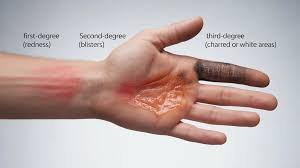
- First-degree burns affect the outer layer of the skin. They usually cause redness and pain.
- Second-degree burns extend into the second layer of skin, causing blisters and swelling.
- Third-degree burns impact deeper tissues, resulting in white or blackened skin.
Common causes of burns include exposure to fire, hot liquids, chemicals, and electricity. Understanding these causes helps you take preventive measures.
Burn Prevention Tips
Reducing the risk of burns involves several practical steps. Always stay aware of your surroundings. Consider these safety tips:
- Install and regularly check smoke alarms. Working alarms alert you early to potential danger.
- Keep flammable items away from open flames and heat sources. This includes curtains, paper, and clothing.
- Use child-proof safety covers on electrical outlets to prevent accidental shocks.
- Store chemicals safely, away from children and heat sources.
- Set your water heater temperature to a safe level, ideally below 120°F.
Learn more about safety measures from the National Fire Protection Association.
Immediate Steps After a Burn
Quick action can minimize damage. If someone gets burned, follow these steps:
- Remove the source of the burn. Extinguish flames or move away from heat.
- Cool the burn with running water. Do this for at least 10 minutes.
- Cover the burn with a clean, non-stick bandage or cloth.
- Avoid applying creams, oils, or ice. These can worsen the injury.
- Seek medical help for severe burns.
Refer to the Centers for Disease Control and Prevention for more information.
Recovery and Support
Recovery from burn injuries requires time and support. Healing may involve medical treatments, physical therapy, and emotional care. Here is a quick comparison of recovery needs based on burn severity:
| Burn Severity | Treatment | Recovery Time | Support Needed |
|---|---|---|---|
| First-degree | Cool water, bandaging | Days | Minimal |
| Second-degree | Medical care, possible antibiotics | Weeks | Moderate |
| Third-degree | Surgery, extensive medical care | Months | Significant |
Rely on your support network. Family, friends, and professionals offer essential help. Mental health support is crucial for emotional healing.
Conclusion
Burn prevention and recovery are vital aspects of safety and health. By understanding burns and taking proactive steps, you reduce risks. In the event of a burn, acting quickly and seeking medical help is crucial. Recovery varies but requires dedication and support. Educate yourself and others. By doing so, you contribute to a safer community. Remember, you are not alone. With preparation and awareness, you can manage and prevent burn injuries effectively.