Buying a vehicle is usually the second most expensive purchase a person makes, right after buying a home. But unlike real estate, cars typically depreciate the moment they leave the lot. While you can’t stop depreciation entirely, strategic upgrades can significantly slow it down, improve your daily driving experience, and keep your vehicle running reliably for years to come.
Many car owners mistake “upgrades” for flashy modifications like massive spoilers or neon underglow. However, smart upgrades focus on utility, protection, and comfort. These improvements make the car more enjoyable for you right now and more appealing to a potential buyer five or ten years down the road. It’s about bridging the gap between an aging model and the latest showroom features without the monthly payment of a new car.
Here is how you can invest in your vehicle intelligently for the long haul.
Prioritize Protection First
Before adding horsepower or high-end electronics, you should focus on preserving what you have. The exterior of your vehicle takes a beating from the sun, road salt, gravel, and bird droppings.
Ceramic Coating and Paint Protection Film (PPF)
Waxing is great, but it requires constant reapplication. Ceramic coating offers a more semi-permanent bond that repels water and dirt, making the car easier to wash and protecting the clear coat from UV damage. For even stronger protection, Paint Protection Film (PPF) is a clear wrap that actually absorbs impacts from rock chips and scratches. It’s an upfront cost that pays dividends by keeping the paint looking factory-fresh for a decade.
High-Quality Window Tint
Tint is often viewed as purely aesthetic, but its practical benefits are undeniable. High-quality ceramic window tint blocks up to 99% of harmful UV rays. This protects your skin, but it also saves your dashboard and leather seats from cracking and fading. Furthermore, it significantly reduces heat buildup inside the cabin, forcing your air conditioning to work less hard during the summer months.
Modernizing the Technology
You don’t need to trade in your 2015 sedan just to get 2024 technology. Most modern conveniences can be retrofitted into older vehicles seamlessly.
Apple CarPlay and Android Auto
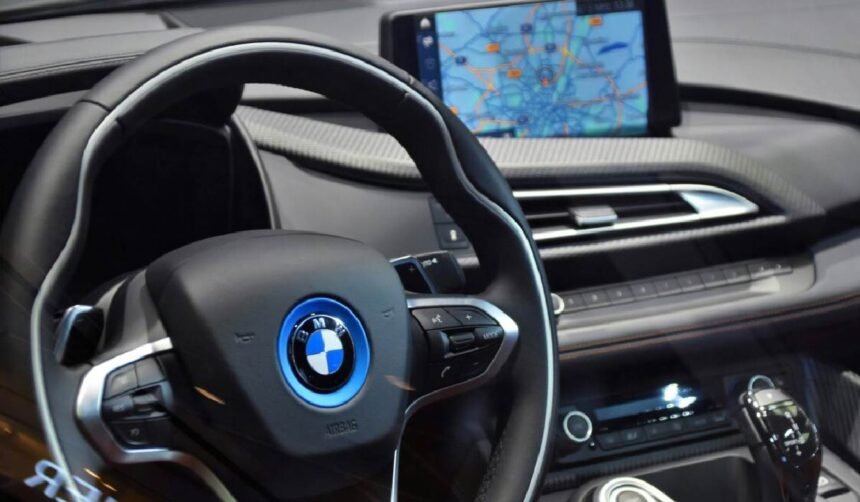
Infotainment systems age faster than any other part of a car. A factory screen from ten years ago likely feels clunky and unresponsive today. Swapping out the head unit for one that supports Apple CarPlay or Android Auto is a game-changer. It brings navigation, voice commands, and music streaming to your fingertips, making driving safer and more convenient.
Remote Start and Security Systems
If you live in a region with extreme weather, a remote starter isn’t a luxury; it’s a tool for engine longevity. Allowing the oil to circulate and warm up before you drive puts less stress on the engine components. Plus, getting into a pre-warmed or pre-cooled car makes the daily commute far more tolerable.
Elevating the Driving Experience
Once the car is protected and connected, look at upgrades that improve how the car feels and sounds.
Suspension and Tires
Tires are the single most important safety feature on your vehicle. Upgrading to high-quality tires tailored to your climate improves stopping distance, fuel economy, and handling. Similarly, refreshing worn-out shocks and struts can make a 100,000-mile car ride like it’s brand new. This isn’t just about performance; it’s about reducing vibration and wear on other chassis components.
Sound Deadening and Audio
Road noise is a major fatigue factor on long drives. Manufacturers often skimp on insulation in economy and mid-range vehicles to save weight and cost. Adding sound-deadening material to the doors and floor can reduce cabin noise significantly, giving your car a solid, luxury feel.
Once the cabin is quiet, you might notice the limitations of your factory speakers. Stock speakers often feature paper cones that degrade over time. Upgrading to aftermarket components can provide clarity and depth that the original equipment never had. This is a popular route for drivers who spend hours commuting. For example, many drivers seeking premium car audio in Utah—where long, scenic drives are common—find that high-quality sound systems completely transform their travel experience.
Lighting and Visibility
Being able to see clearly is obviously critical, yet many older cars still run on dim halogen bulbs.
LED Headlight Conversion
Switching to LED bulbs can drastically improve your night vision. They produce a cleaner, whiter light that illuminates road signs and hazards much better than yellow halogen beams. However, it is vital to ensure the LEDs are properly aimed so they don’t blind oncoming traffic.
Dash Cameras
While it doesn’t help the car drive better, a dash cam is an essential modern upgrade. In the event of an accident, it provides unbiased evidence that can save you thousands in insurance deductibles and legal headaches. Hardwiring a camera so it records even when the car is parked adds a layer of security against hit-and-runs or vandalism.
Maintenance as an Upgrade
Finally, shift your mindset regarding maintenance. Don’t just settle for the cheapest option at the auto parts store.
Using high-performance synthetic fluids, premium filters, and iridium spark plugs can be considered an upgrade. These components last longer and perform better under stress than standard economy parts. By over-servicing your vehicle with top-tier consumables, you ensure that the mechanical heart of the car stays strong well past the warranty period.
Invest in Your Daily Drive
Upgrading your vehicle is about tailoring it to fit your life while preserving its value. Whether you are installing protective films to save the paint or searching for experts in car audio in Utah to overhaul your sound system, every improvement should serve a purpose.
These changes make your car safer, more comfortable, and more reliable. Instead of succumbing to the pressure to buy a new vehicle every few years, a few smart investments can make the car you already own feel like the best one on the road.